Starting an online store in 2025? Choosing the right platform is crucial to your store’s success and scalability. Two of the most trusted platforms are WordPress (with WooCommerce) and Shopify but which one is better for youFor a start, what is the difference between the two?
What is Shopify?
Shopify is a popular eCommerce platform designed to help you build and manage your online store with ease, no coding skills required. It powers over 5.4 million websites globally and is trusted by big brands like Netflix, BBC, and Tesla. With built-in hosting, templates, and tools, Shopify is ideal for sellers who want a quick and reliable launch. For growing businesses, Shopify Plus offers advanced features and scalability.

What is WordPress?
Ease of Use: Getting Started Smoothly
When launching an online store, user-friendliness is often the first thing to consider. How easy is it to set up your store, manage products, and make updates? Shopify and WordPress both offer unique experiences check this:
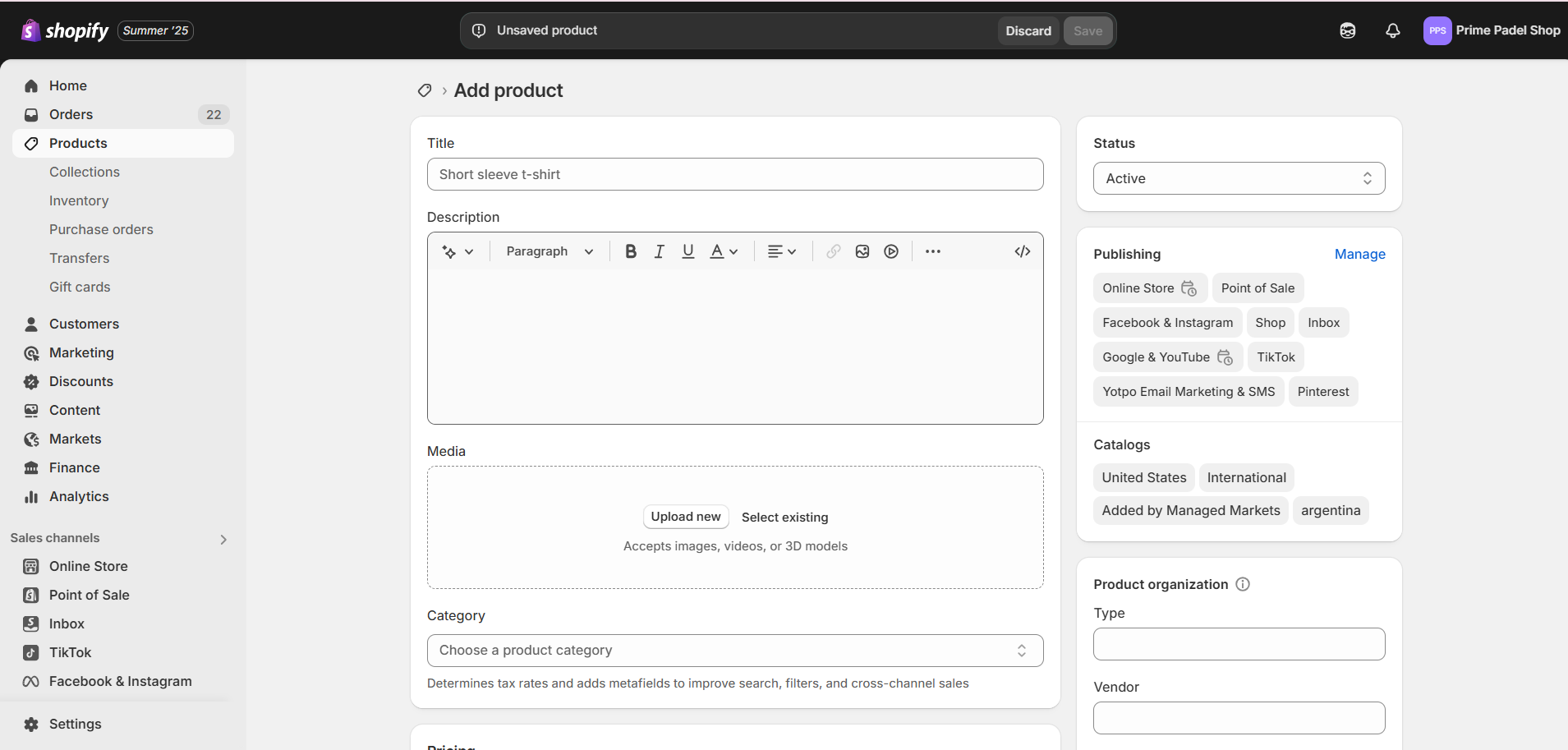
Shopify:
- Simple drag-and-drop editor
- Step-by-step onboarding process
- Hosting and updates are handled for you
WordPress:
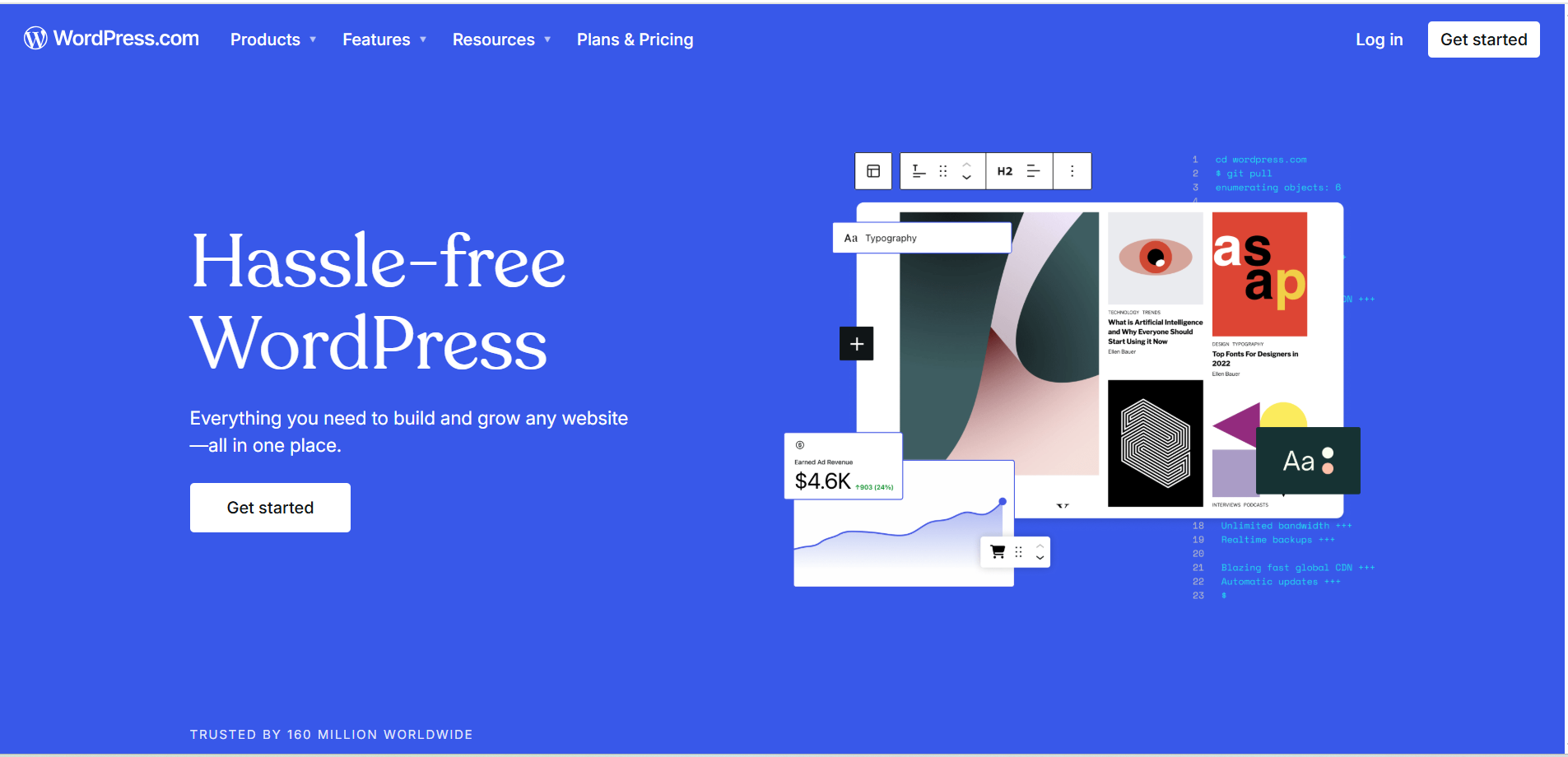
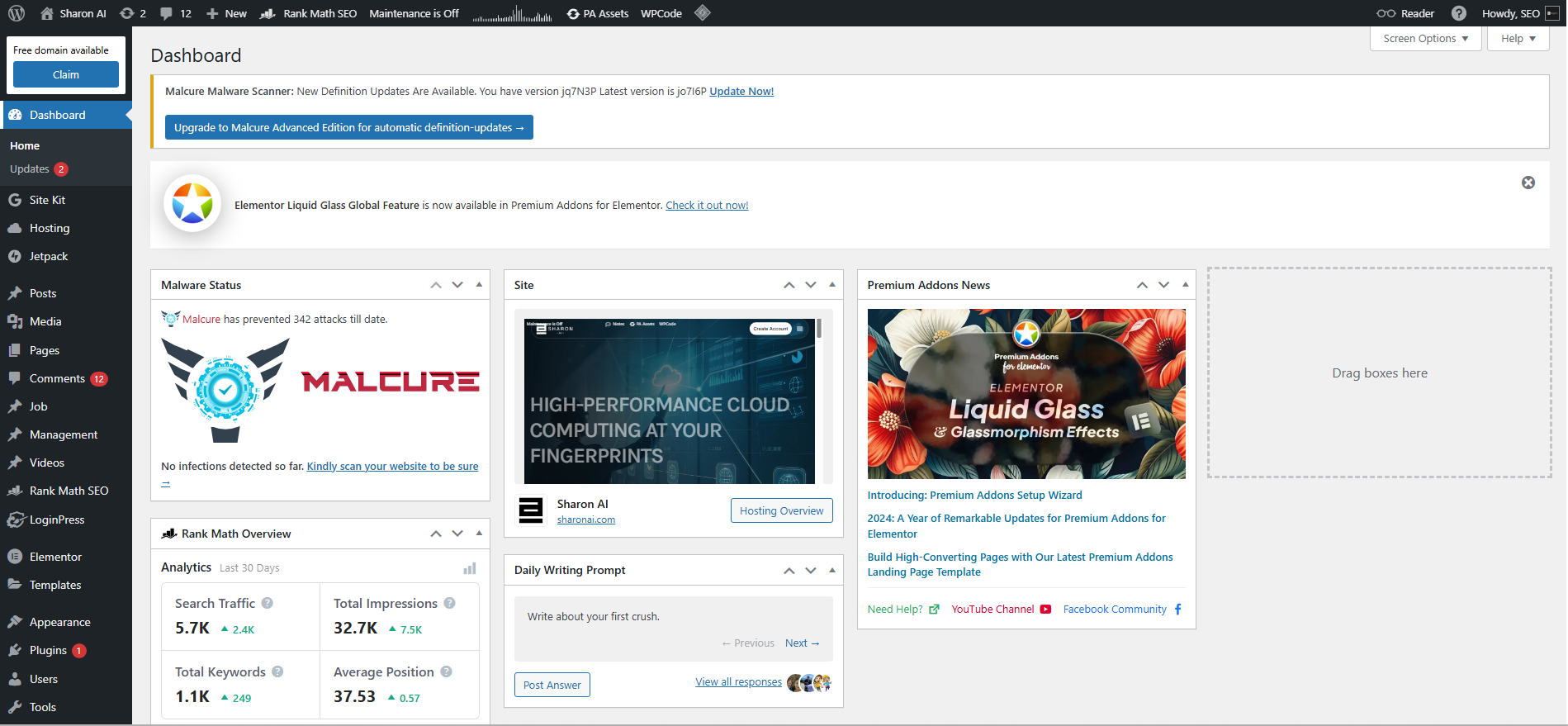
- Full control over your store’s look and feel
- Slight learning curve for beginners
- Requires manual management of hosting and plugins
If you want to get your store up and running quickly without dealing with technical details, Shopify is ideal. If you’re comfortable with some setup and want more control, WordPress is worth considering.
Customization & Design Flexibility
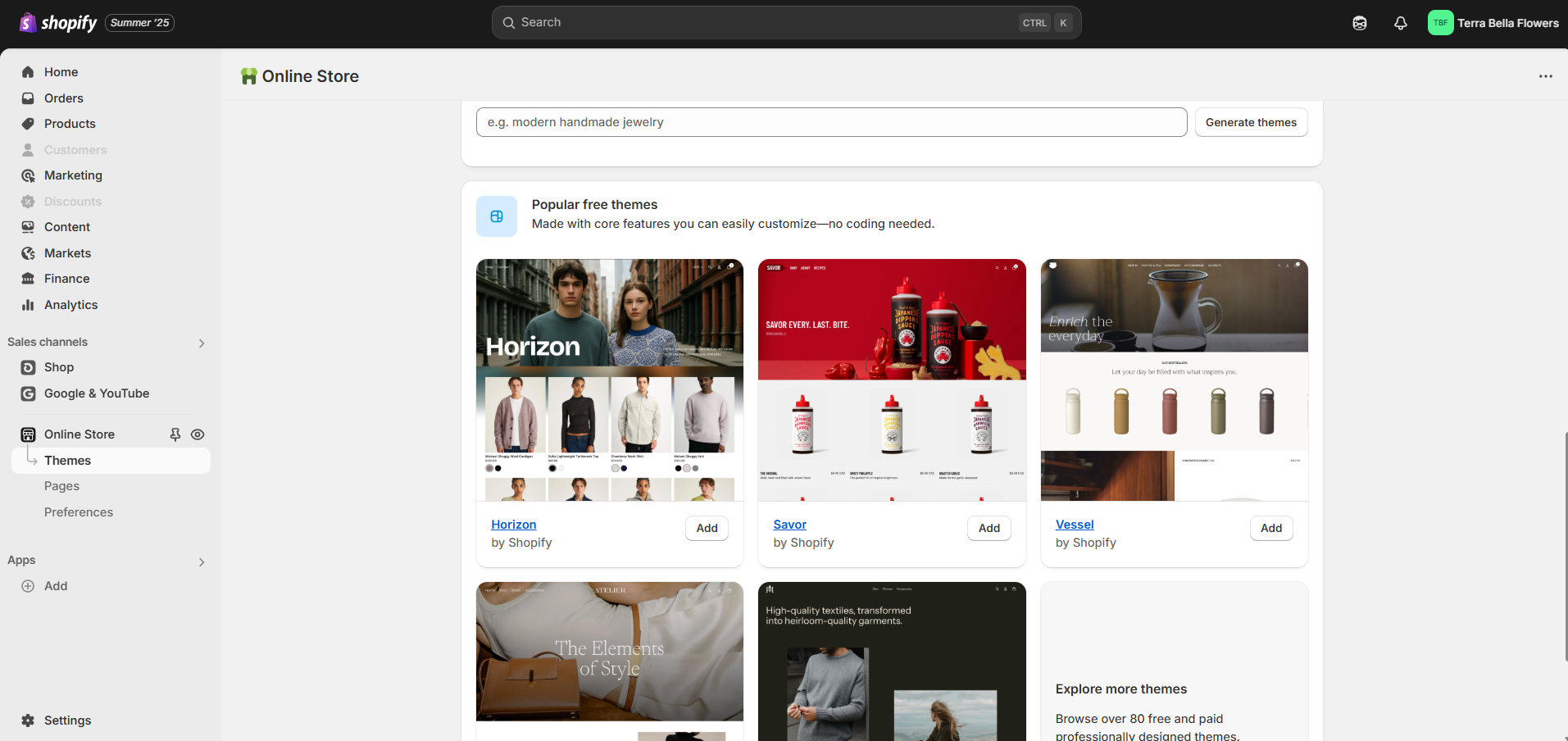
Want to create a unique brand experience? Both platforms let you design beautiful stores, but your creative freedom varies. Shopify keeps things clean and straightforward, while WordPress gives you access to every pixel.
Shopify:
- Sleek, professional themes (free and premium)
- Limited code-level customization unless you use Liquid
WordPress:
- Thousands of themes and page builders like Elementor or Divi
- Freedom to edit any code or CSS for full customization
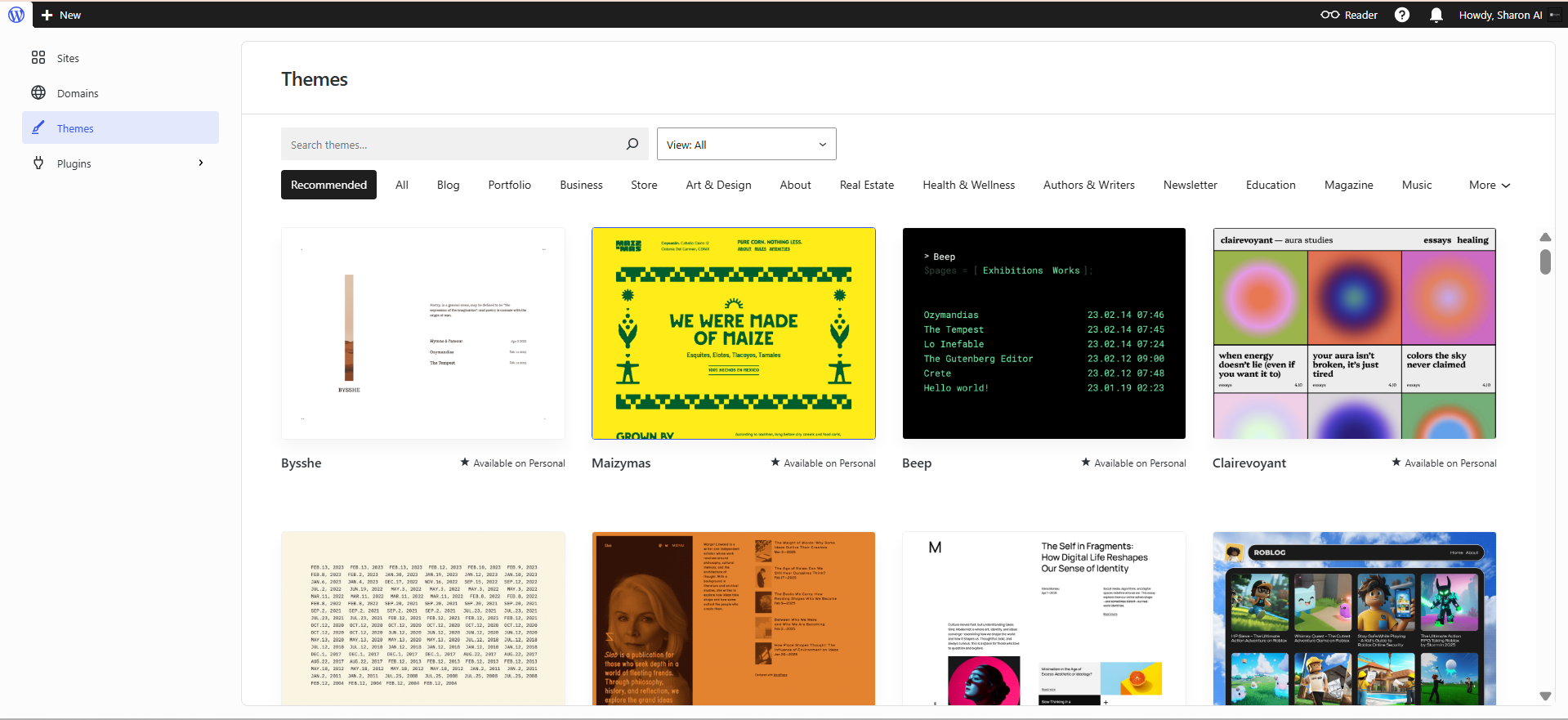
For complete creative control and design freedom, WordPress takes the lead.
SEO Capabilities in WordPress vs Shopify
Getting found on Google can make or break your online store. That’s where Search Engine Optimization (SEO) comes in. How do WordPress and Shopify help your store rank better and reach more customers?
WordPress:
Shopify:
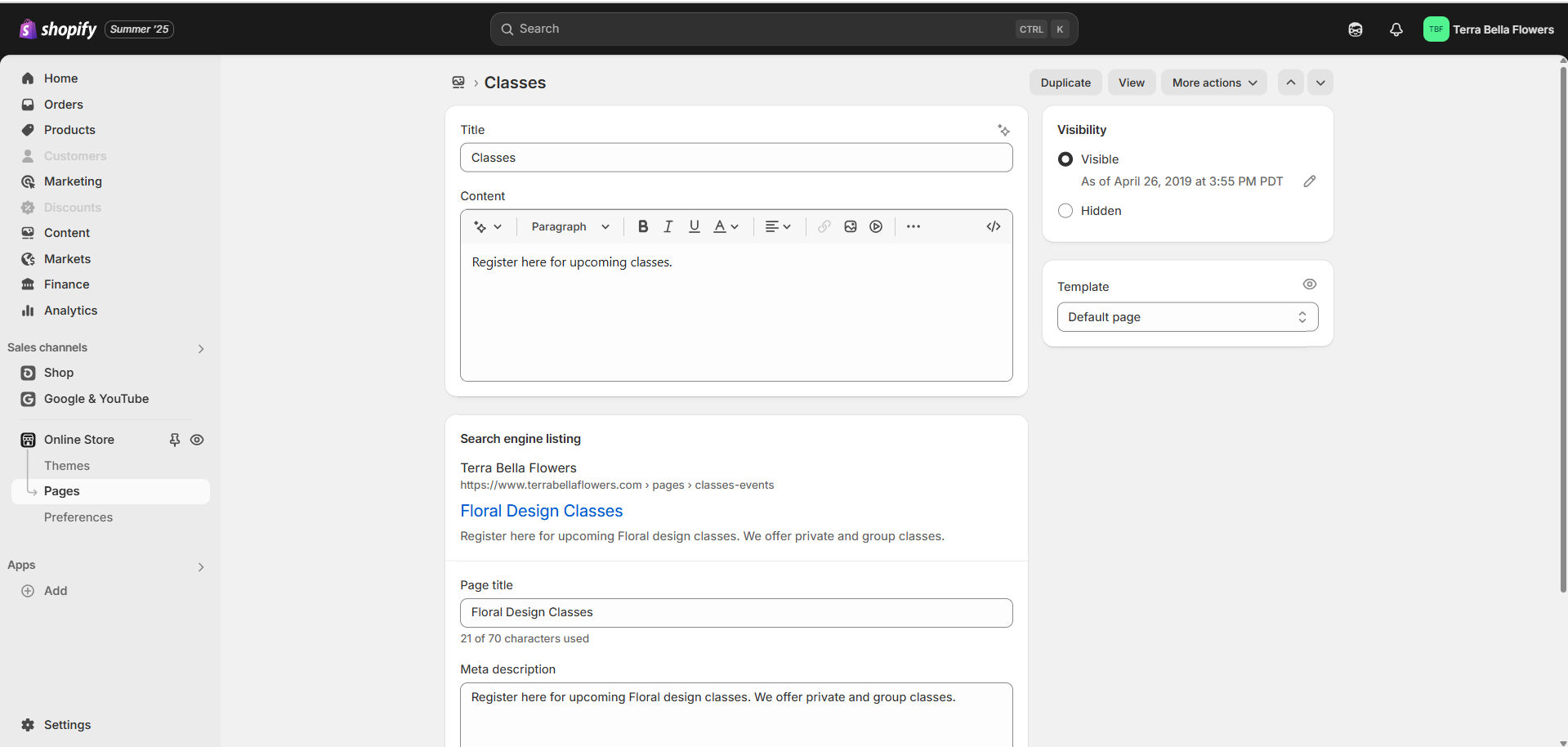
- Built-in SEO features
- Limited control over technical SEO aspects
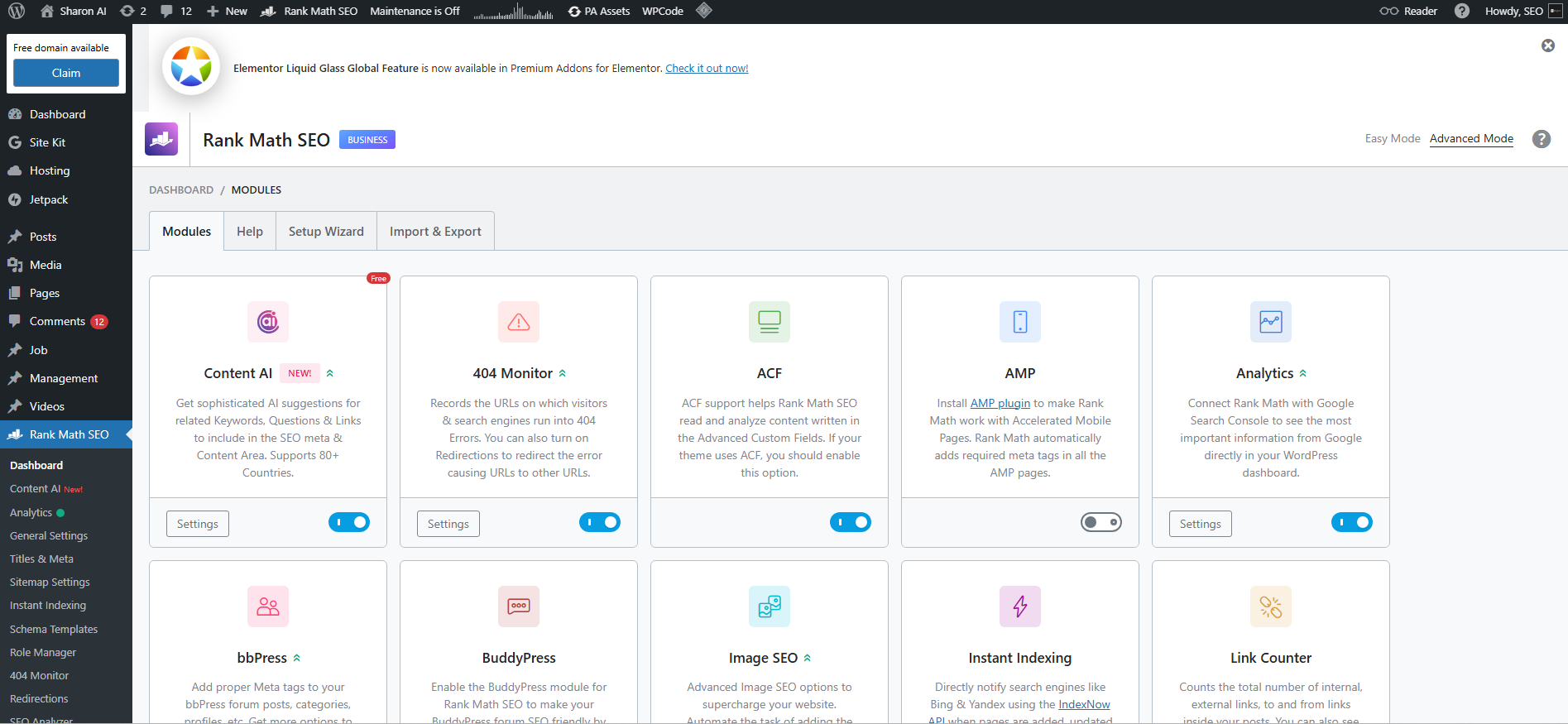
WordPress offers deeper SEO tools and flexibility, making it the top pick for content-focused and SEO-heavy sites.
E-commerce Features & Extensions
What features come with your store by default? And how easily can you add more? Whether you’re a small shop or a growing brand, your e-commerce platform should scale with your needs and help you sell better.
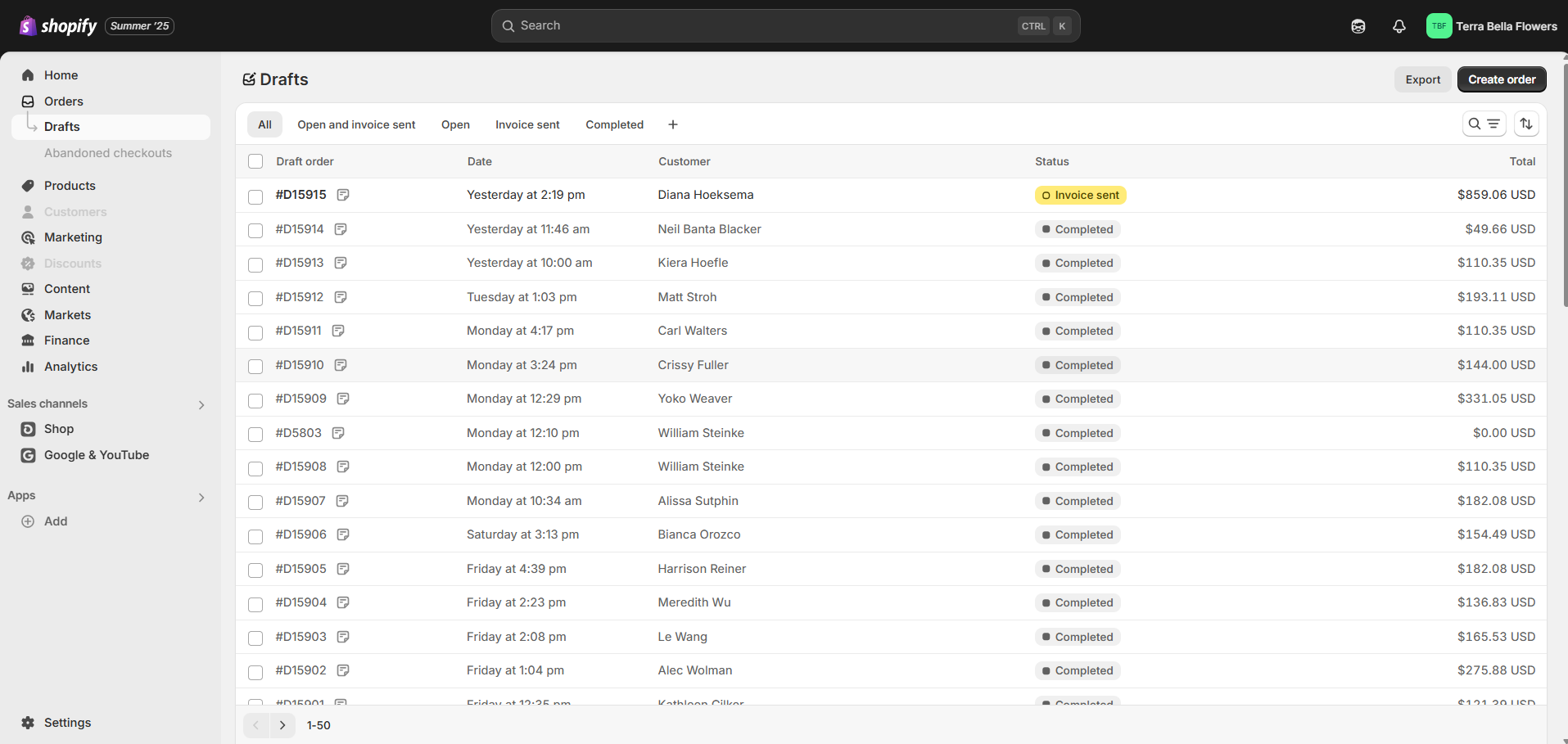
Shopify:
- Out-of-the-box tools like inventory tracking, discount codes, abandoned cart recovery
- Extensive App Store for upgrades
WordPress + WooCommerce:
- Open-source plugin with massive extension support
- Fully customizable checkout, taxes, shipping, and more
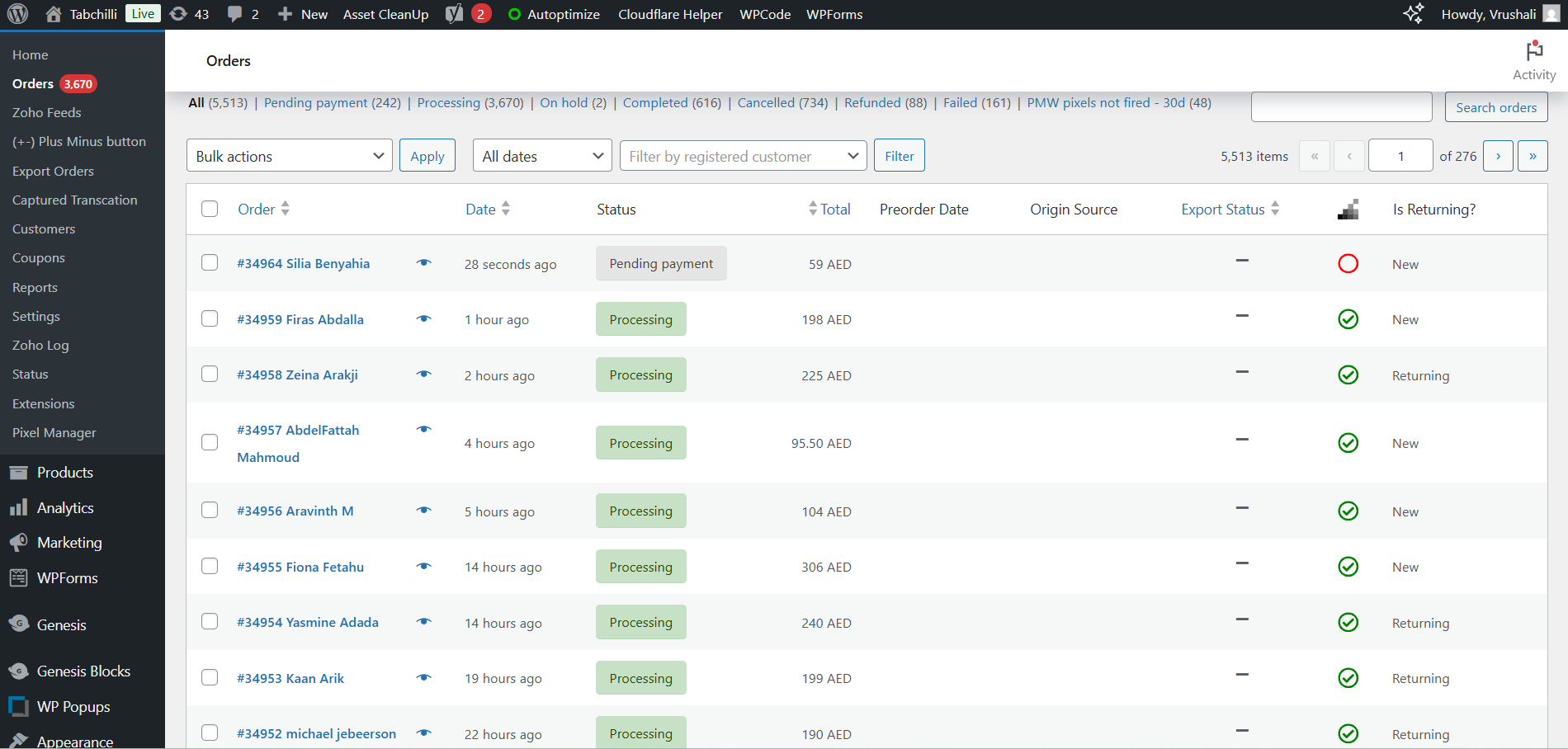
Need more control over the shopping experience? WordPress is more flexible. But Shopify is ideal for those who want everything in one place.
Pricing & Cost Structure
What’s the real cost of using each platform? Beyond just the monthly fees, you need to look at plugins, themes, and hosting. Let’s see how the expenses compare depending on your store size and goals.
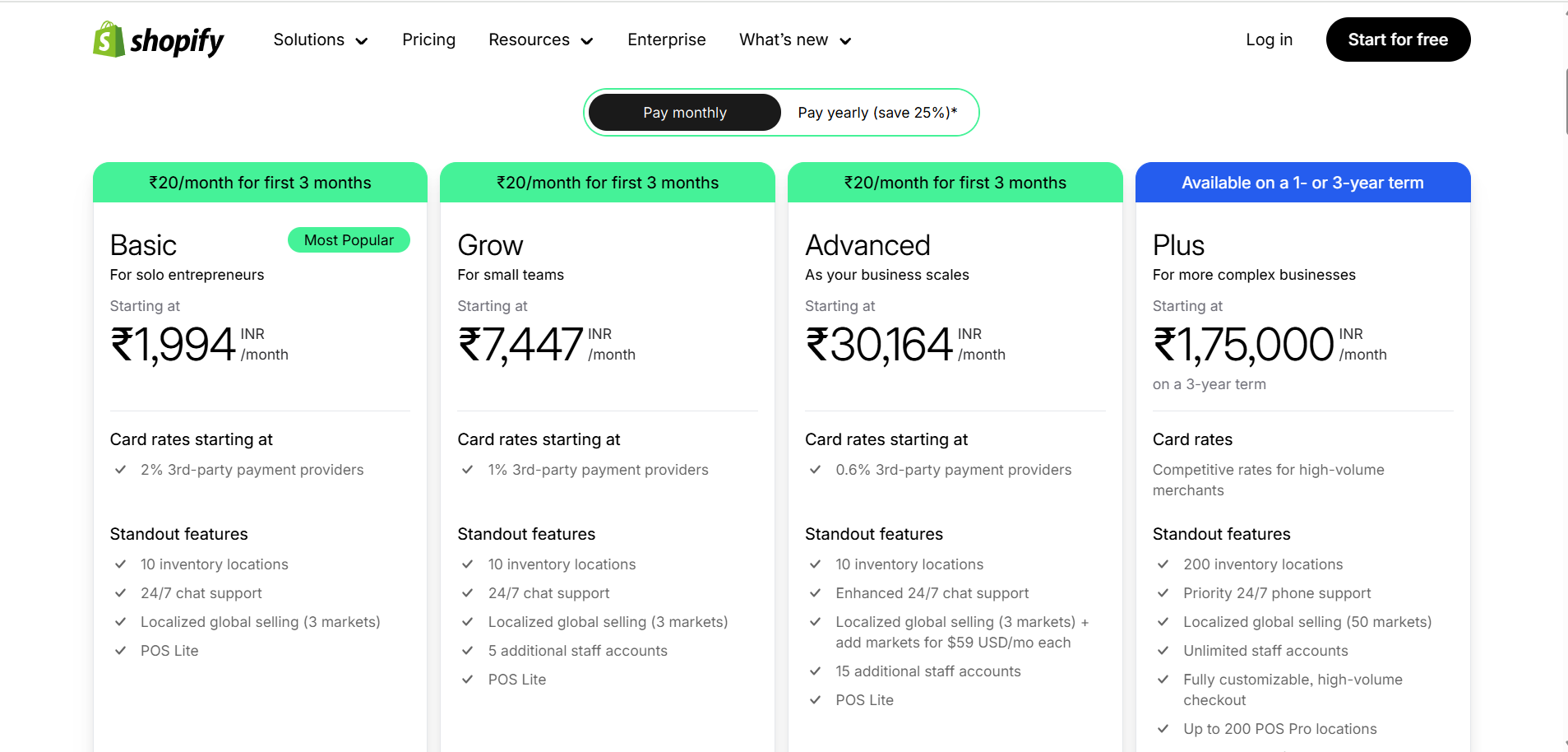
Shopify Pricing:
- Starts at $39/month (Basic)
- Includes hosting, security, and support
- Apps and premium themes can add extra cost
WordPress Costs:
- Hosting: $5–$30/month
- Domain + SSL certificate
- WooCommerce is free, but premium plugins/themes can add up
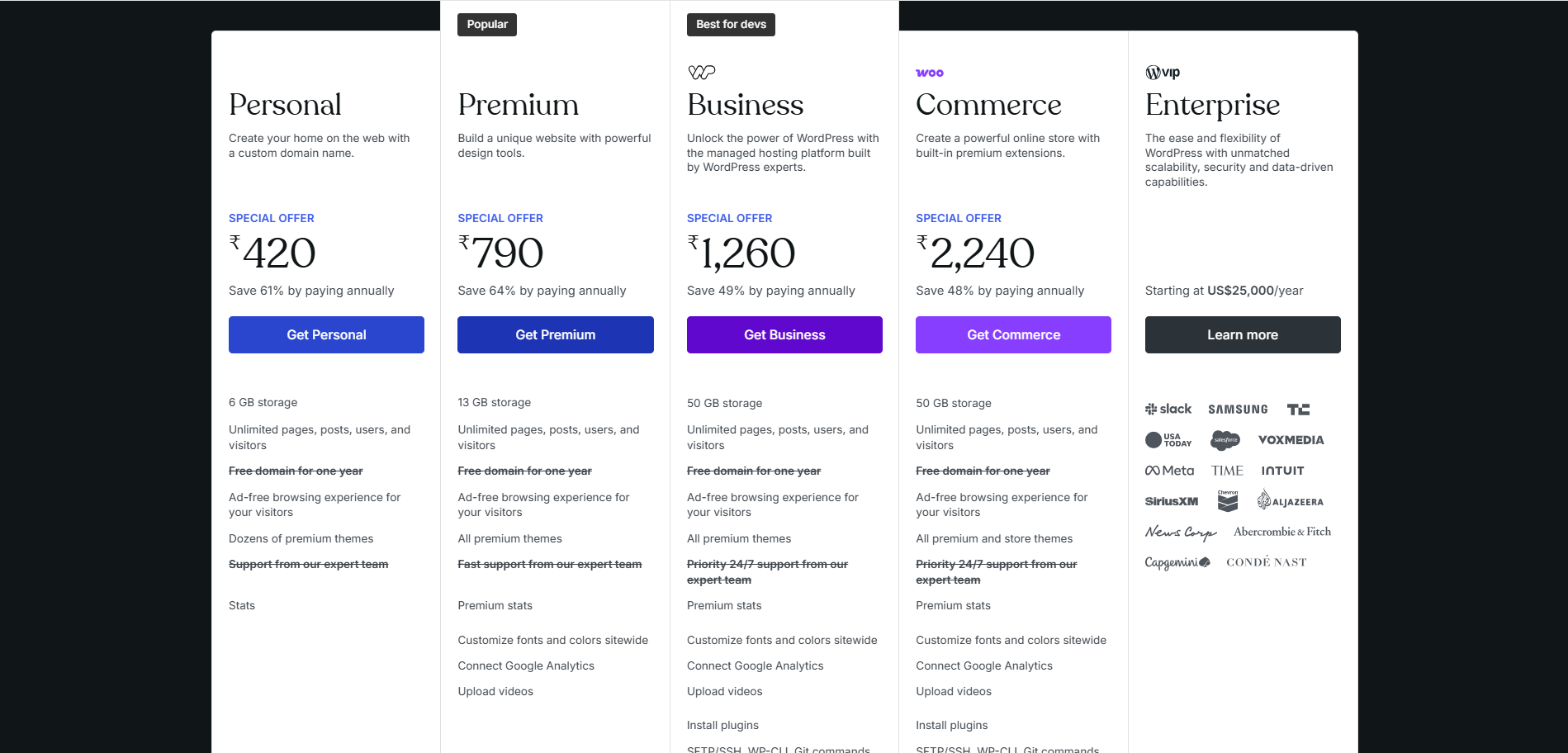
Need predictable monthly pricing? Shopify is straightforward. Want flexibility with potential savings? WordPress offers more control over your budget.
Scalability & Performance
As your business grows, your platform should grow with it. Which one handles scaling better?
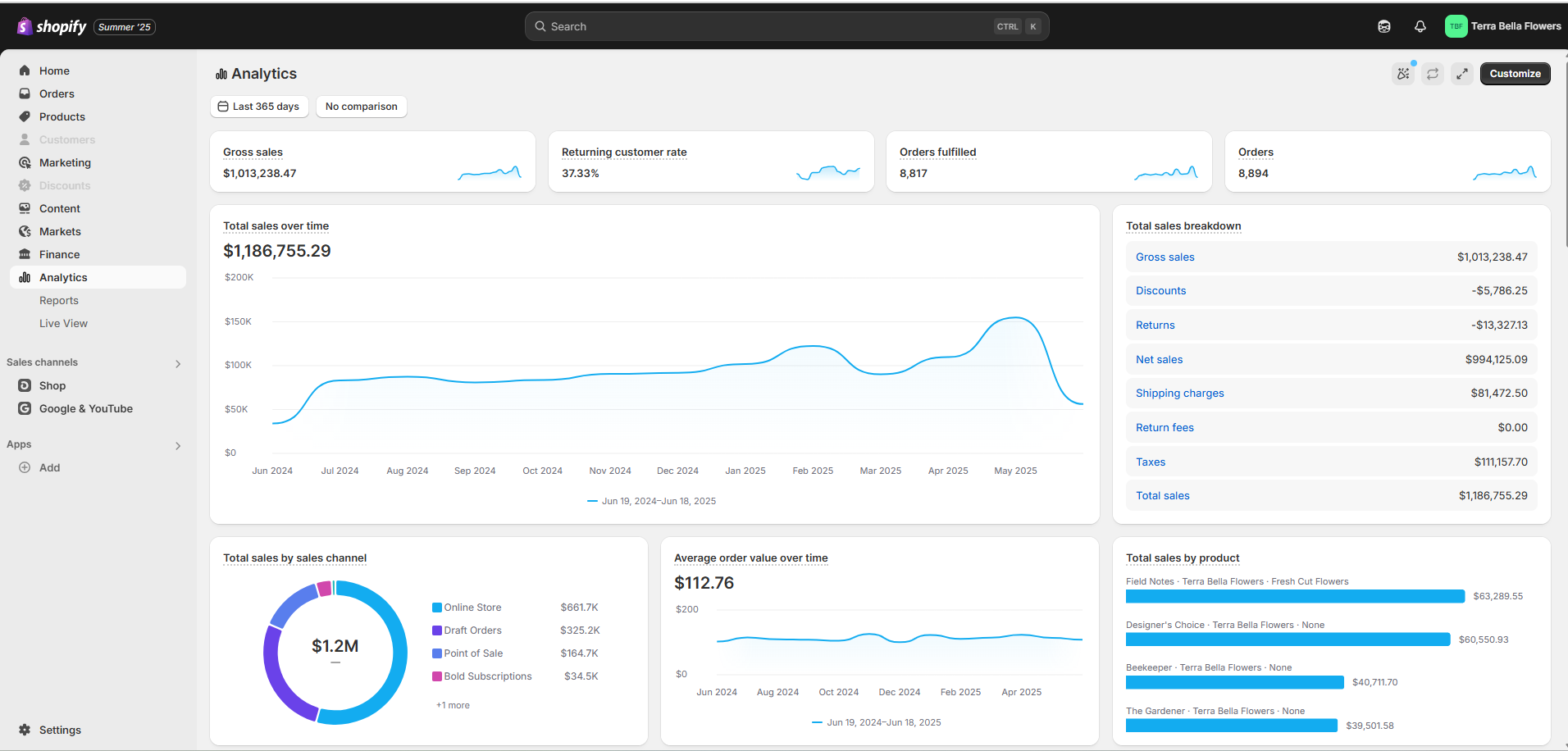
Shopify:
- Fully managed infrastructure
- Optimized for performance
- Handles high traffic and scaling automatically
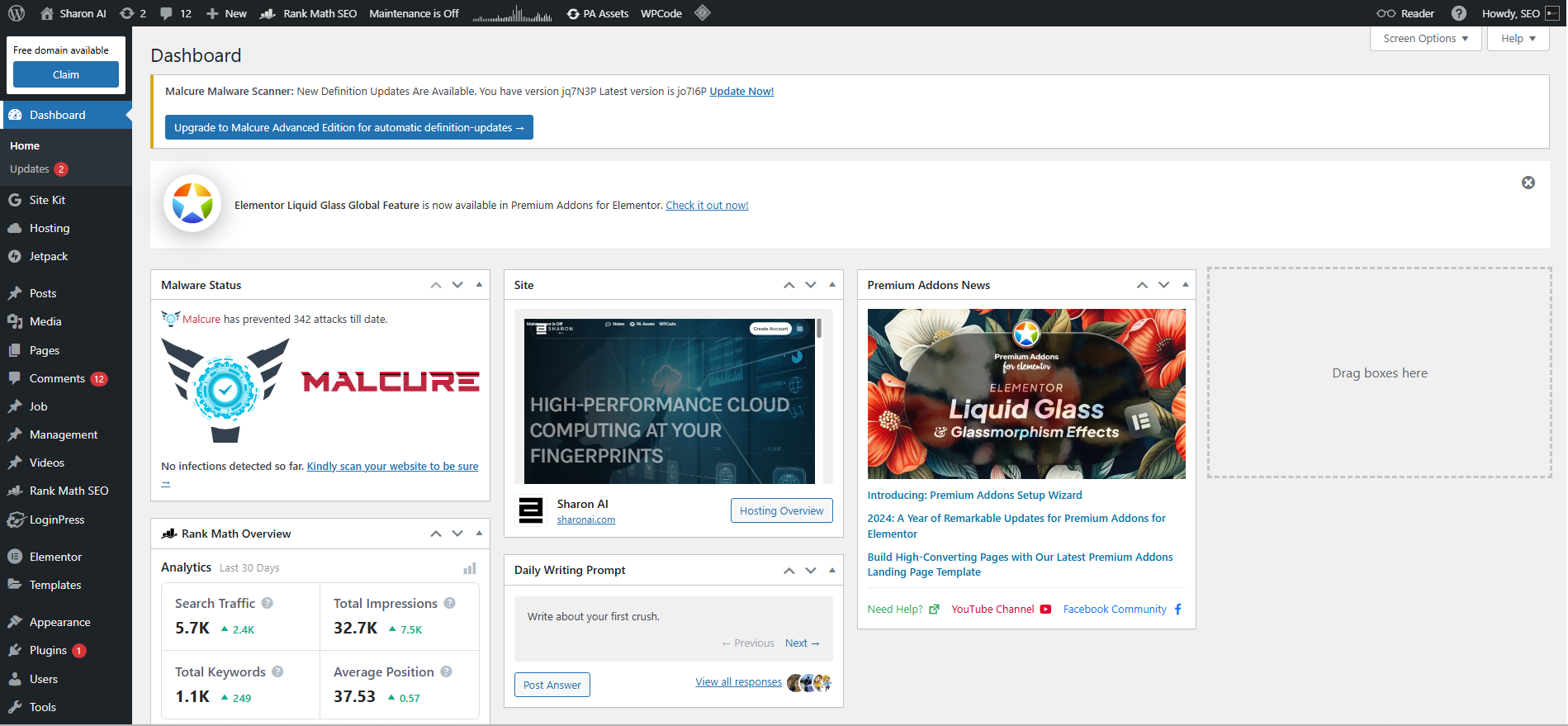
WordPress:
- Depends on your hosting provider
- More complex to scale but offers more control
If you want worry-free growth, Shopify is the go-to. If you’re tech-savvy and want control, WordPress is scalable with the right setup.
Security Features & Maintenance
Security isn’t just about protecting data—it builds trust with your customers. Let’s take a closer look at how each platform handles updates, threats, and maintenance.
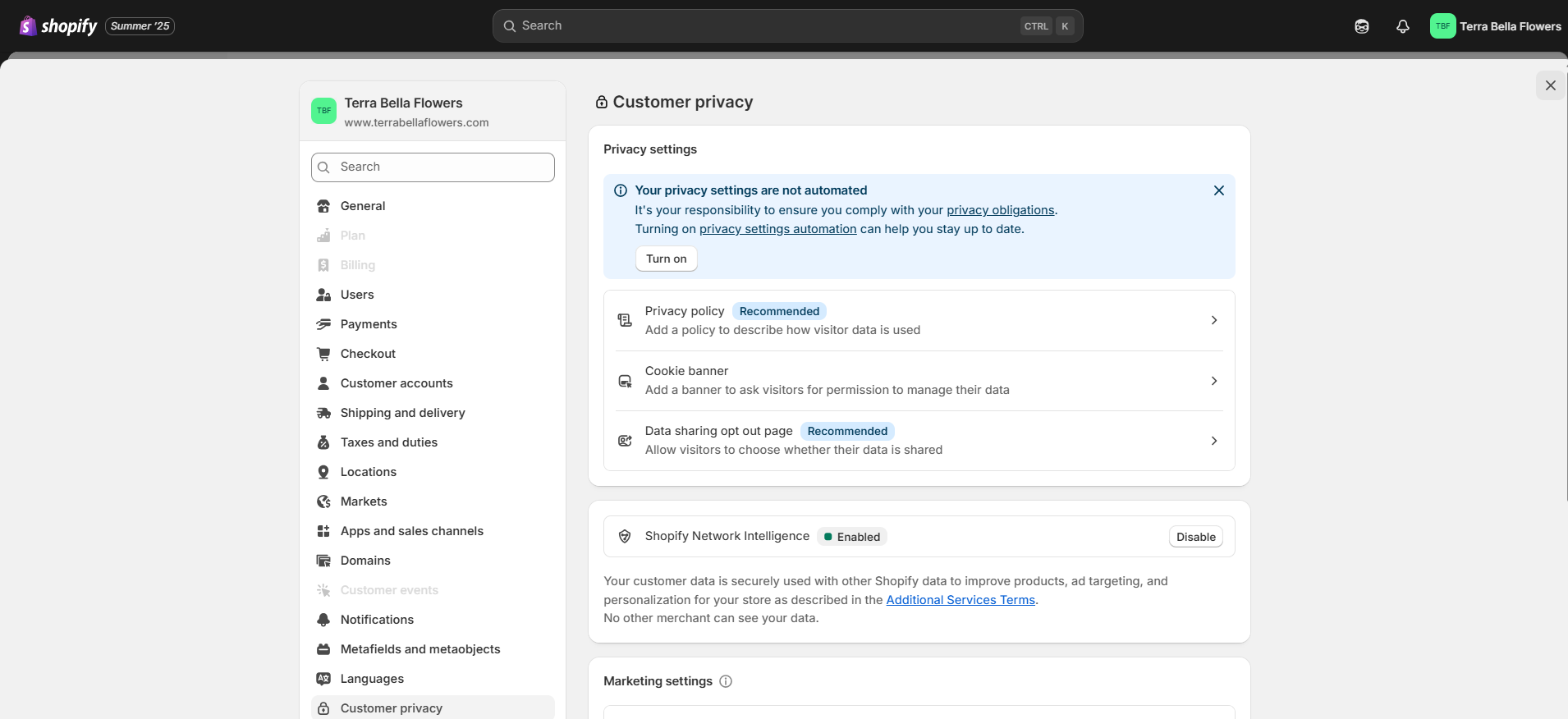
Shopify:
- PCI-DSS compliant
- Automatic updates and SSL included
- Managed security features
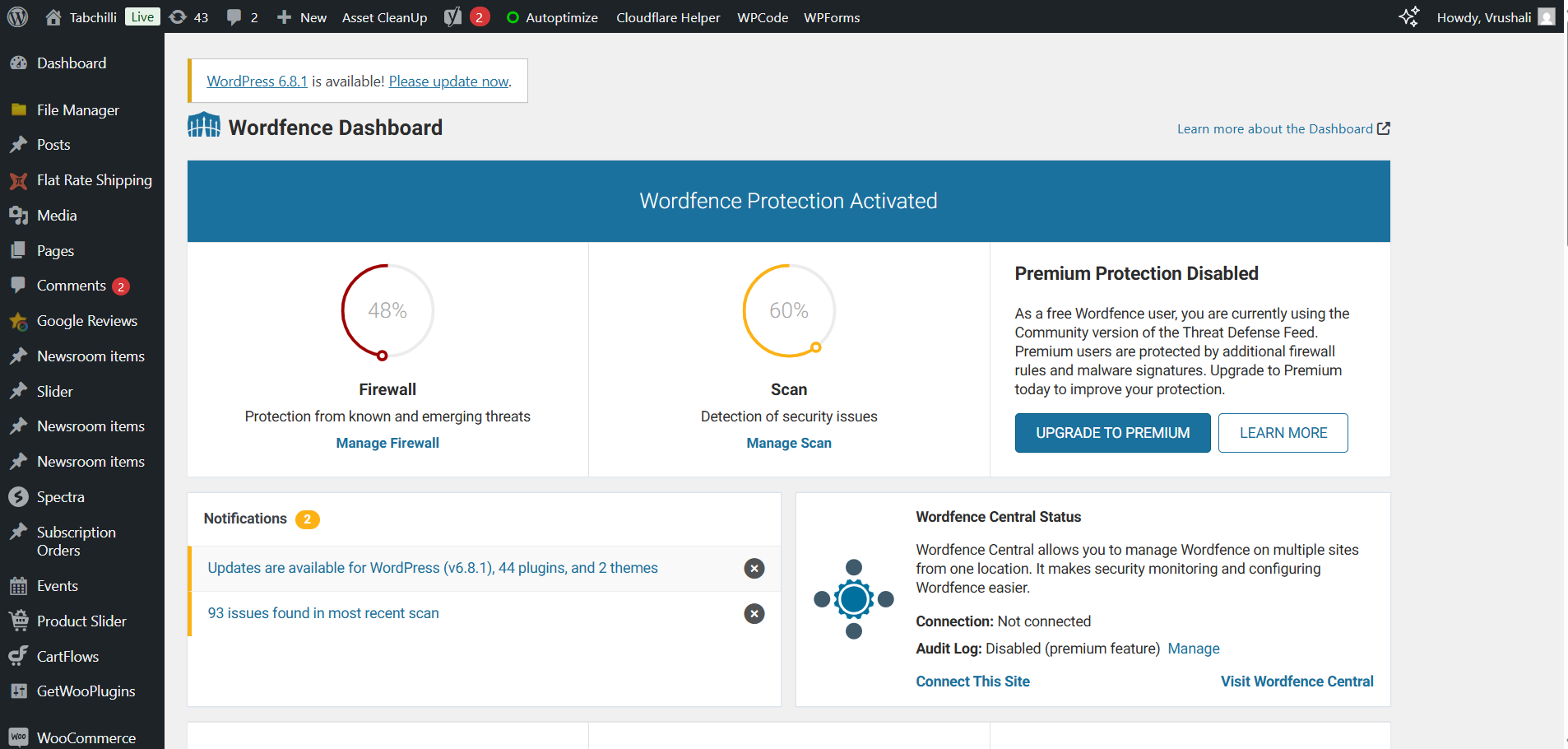
WordPress:
- Security depends on your hosting and plugins
- Regular updates required
- Strong plugins like Wordfence, Sucuri available
Want hands-off security? Shopify wins. But with proactive steps, WordPress can be just as secure.
Payment Gateways & Transaction Fees
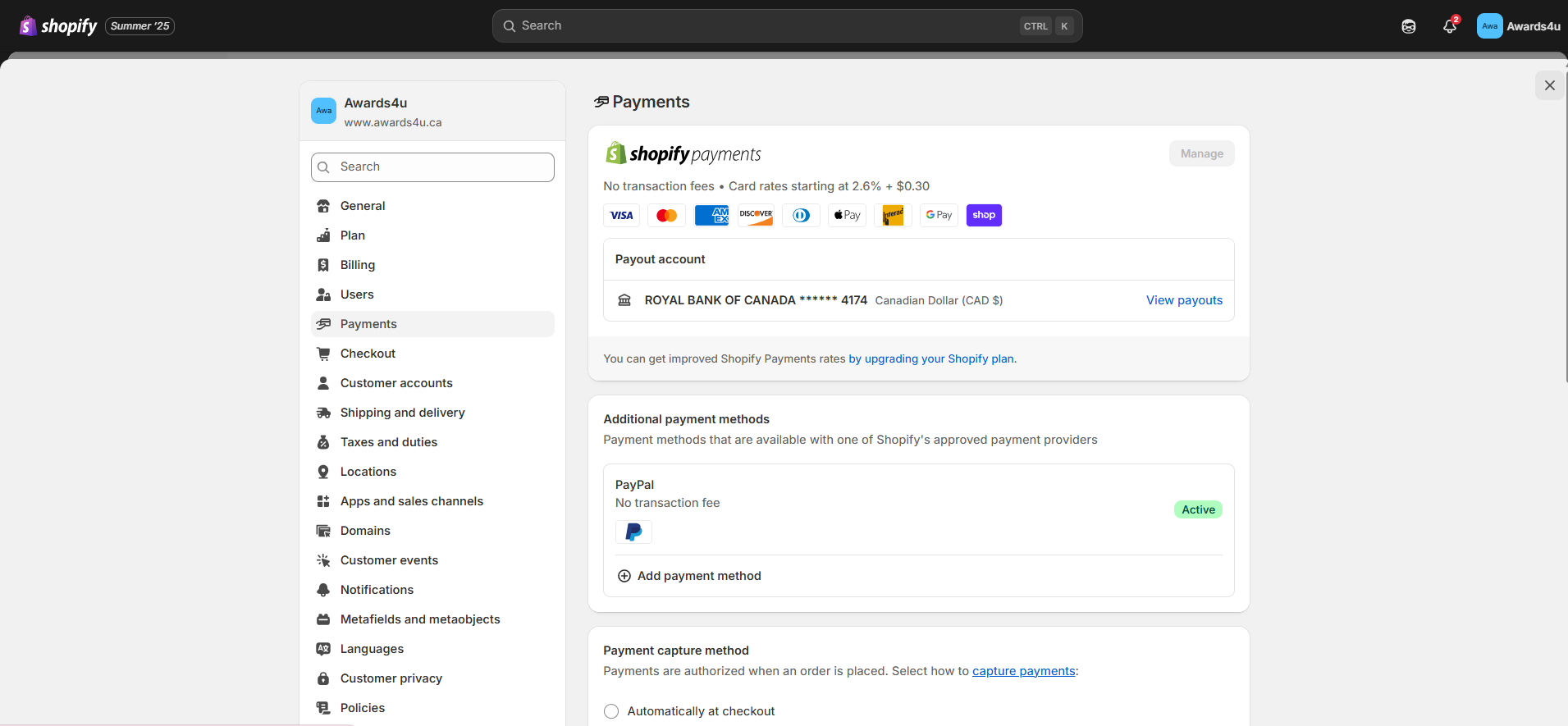
Processing payments smoothly (and affordably) is key to customer satisfaction. How do Shopify and WordPress compare? and what fees should you expect?
Shopify:
- Shopify Payments (no extra fees)
- 100+ third-party gateways (with added fees)
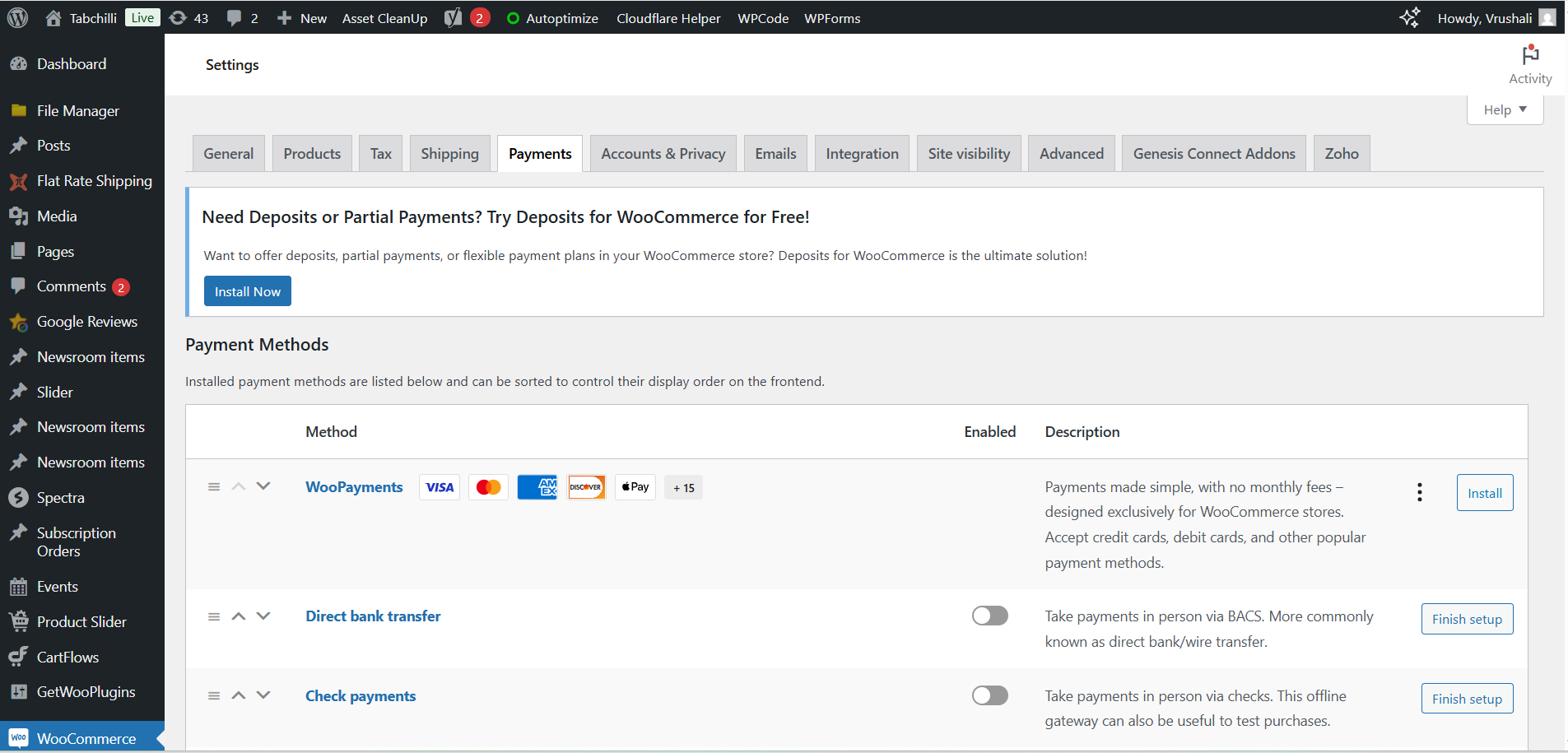
WordPress/WooCommerce:
- Integrates with Stripe, PayPal, Authorize.net, and more
- No platform-specific transaction fees
Looking to save on fees? WordPress has an edge if you choose the right payment processors.
Final Thoughts: Shopify or WordPress?
Choose Shopify if you want:
- A simple, all-in-one solution
- Fast setup and built-in features
- Hassle-free security and hosting
Choose WordPress if you want:
- Full design and development control
- Strong SEO and content marketing options
- A platform that grows with your technical skills
Have questions or need help setting up your store? Contact Walstar Technologies we would be happy to help you decide or get started!